
Sunday, December 22, 2024


MY CONVERSATIONS WITH META AI-5: RISK OF MIND- AND BRAIN-RELATED DISEASES
🤌🤌🤌🤌🤌🤌🤌🤌🤌🤌
*HOW TO REDUCE THE RISK OF MIND- AND BRAIN-RELATED DISEASES*
🤲🤲🤲🤲🤲🤲🤲🤲🤲🤲
*SURI*
How to reduce the risk of dementia, Alzheimer's and other mind and brain-affecting diseases?
*Meta AI*
Reducing the risk of dementia, Alzheimer's, and other mind and brain-affecting diseases requires a multi-faceted approach that incorporates lifestyle changes, dietary modifications, and mental stimulation. Here are some evidence-based strategies to help mitigate the risk:
*Lifestyle Changes*
1. *Regular Exercise*: Engage in moderate-intensity exercise, such as brisk walking, for at least 150 minutes per week.
2. *Sleep and Relaxation*: Aim for 7-9 hours of sleep per night and practice stress-reducing techniques like meditation or yoga.
3. *Social Engagement*: Maintain social connections and build strong relationships with family and friends.
4. *Cognitive Stimulation*: Engage in mentally stimulating activities, such as reading, puzzles, or learning a new skill.
*Dietary Modifications*
1. *Mediterranean Diet*: Adopt a Mediterranean-style diet rich in fruits, vegetables, whole grains, and healthy fats.
2. *Omega-3 Fatty Acids*: Include omega-3 rich foods like fatty fish, nuts, and seeds in your diet.
3. *Antioxidant-Rich Foods*: Consume foods high in antioxidants, such as berries, leafy greens, and other fruits and vegetables.
4. *Limit Processed Foods*: Reduce intake of processed and sugary foods that can contribute to inflammation and oxidative stress.
*Mental Stimulation*
1. *Learn New Skills*: Engage in lifelong learning by acquiring new skills or hobbies.
2. *Brain Training*: Participate in brain training programs or apps that challenge cognitive function.
3. *Reading and Writing*: Regularly read and write to maintain cognitive stimulation.
4. *Puzzles and Games*: Engage in puzzles, games, and other mentally stimulating activities.
*Health Monitoring*
1. *Regular Check-Ups*: Schedule regular health check-ups to monitor blood pressure, cholesterol, and blood sugar levels.
2. *Manage Chronic Conditions*: Effectively manage chronic conditions like diabetes, hypertension, and obesity.
3. *Get Enough Vitamin D*: Maintain adequate vitamin D levels through sun exposure, supplements, or fortified foods.
*Additional Tips*
1. *Limit Alcohol Consumption*: Restrict alcohol intake to moderate levels (up to one drink per day for women and two drinks per day for men).
2. *Quit Smoking*: Cease smoking and avoid secondhand smoke to reduce cognitive decline risk.
3. *Stay Hydrated*: Drink plenty of water throughout the day to maintain cognitive function.
While these strategies can help reduce the risk of dementia, Alzheimer's, and other mind and brain-affecting diseases, it's essential to consult with a healthcare professional for personalized advice and guidance.
*SURI*
Thanks!
*Meta AI*
It was my pleasure to help. I hope you find the tips helpful in reducing the risk of dementia, Alzheimer's, and other brain-affecting diseases. If you have any more questions or topics you'd like to discuss, feel free to ask me anytime! Take care!
👏👏👏👏👏👏👏👏👏👏

Saturday, December 21, 2024
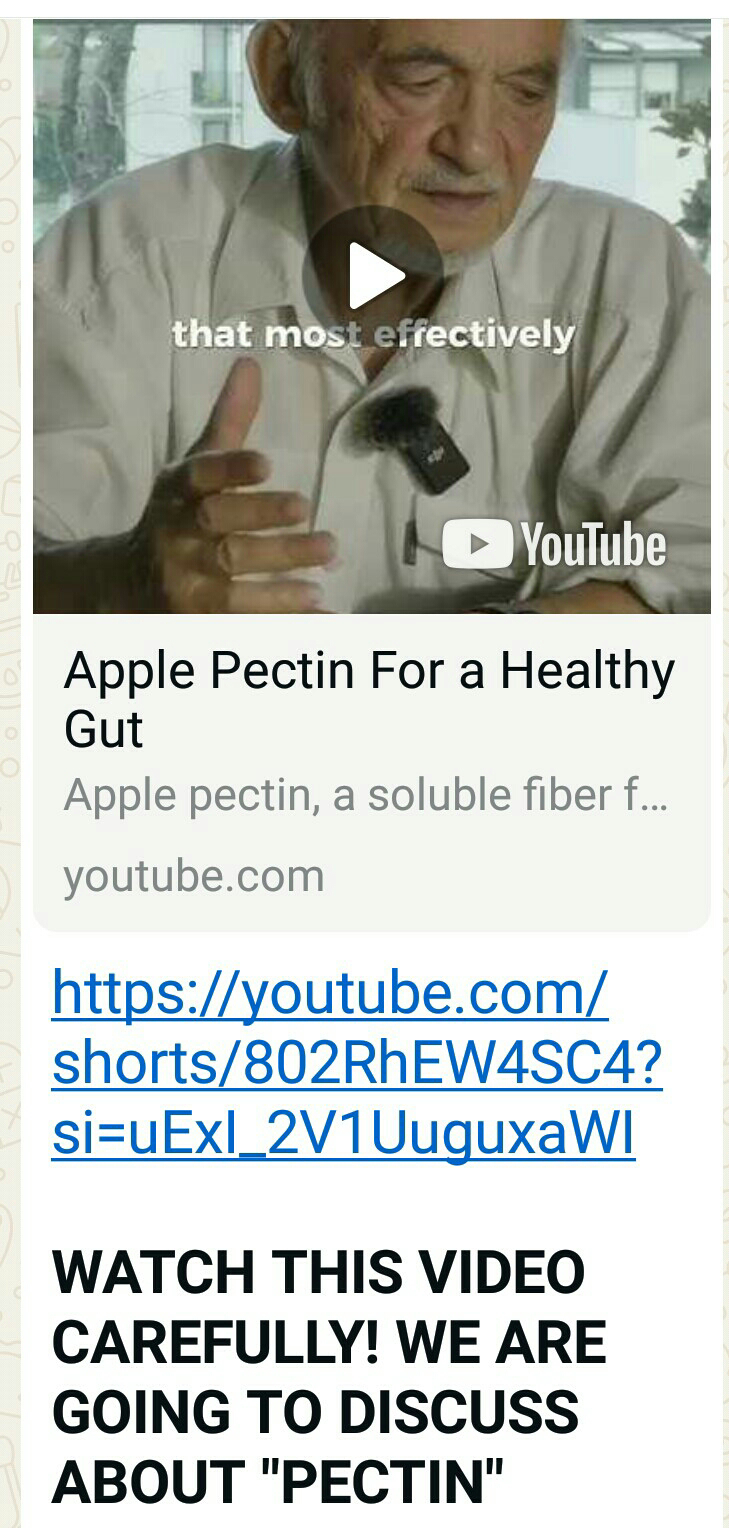
MY CONVERSATIONS WITH META AI-4 : ALL ABOUT PECTIN, A COMPLEX CARBOHYDRATE
🐱🐱🐱🐱🐱🐱🐱🐱🐱🐱
*PECTIN*
🐱🐱🐱🐱🐱🐱🐱🐱🐱🐱
SURI :
*All about PECTIN*
*Meta AI:*
Pectin is a fascinating natural substance with various applications in food, medicine, and beyond. Here's a comprehensive overview:
*What is Pectin?*
Pectin is a complex carbohydrate, a soluble dietary fiber, and a polysaccharide. It's primarily found in the cell walls of plants, particularly in the skin and core of apples, citrus fruits, and berries.
*Sources of Pectin*
1. *Apples*: Apple pomace, the by-product of apple juice production, is a rich source of pectin.
2. *Citrus fruits*: Oranges, lemons, and limes are good sources of pectin.
3. *Berries*: Raspberries, strawberries, and blueberries contain pectin.
4. *Commercial production*: Pectin is often extracted from apple pomace or citrus peel for commercial use.
*Properties and Functions*
1. *Gelling agent*: Pectin acts as a gelling agent, thickening liquids and forming a gel-like substance.
2. *Emulsifier*: Pectin can stabilize emulsions, combining oil and water-based ingredients.
3. *Stabilizer*: Pectin helps maintain the texture and structure of foods.
4. *Soluble fiber*: Pectin can help lower cholesterol levels and regulate blood sugar.
*Uses of Pectin*
1. *Food industry*: Pectin is used as a gelling agent in jams, jellies, marmalades, and fruit preserves.
2. *Beverages*: Pectin is used to clarify and stabilize beverages, such as juice and wine.
3. *Pharmaceuticals*: Pectin is used as an excipient in some medications, helping to control the release of active ingredients.
4. *Cosmetics*: Pectin is used in some skincare products, due to its moisturizing and emollient properties.
*Health Benefits*
1. *Lower cholesterol*: Pectin can help reduce LDL (bad) cholesterol levels.
2. *Regulate blood sugar*: Pectin can slow the absorption of sugar into the bloodstream.
3. *Support digestive health*: Pectin can help maintain a healthy gut microbiome.
4. *Antioxidant properties*: Pectin has been shown to have antioxidant activity, protecting against cell damage.
*Side Effects and Interactions*
1. *Gastrointestinal upset*: High doses of pectin can cause stomach cramps, diarrhea, or gas.
2. *Interactions with medications*: Pectin may interact with certain medications, such as blood thinners or diabetes medications.
*Conclusion*
Pectin is a versatile and multifaceted substance with various applications in food, medicine, and beyond. Its unique properties make it an excellent gelling agent, emulsifier, and stabilizer. Additionally, pectin offers several health benefits, including lowering cholesterol and regulating blood sugar. However, it's essential to be aware of potential side effects and interactions.
*SURI*
Anything else we should know about PECTIN?
*Meta AI:*
Here are some additional interesting facts and uses of pectin:
*Additional Uses*
1. *Wine clarification*: Pectin is used to clarify and stabilize wine.
2. *Brewing*: Pectin is used in beer production to improve clarity and stability.
3. *Pharmaceutical excipients*: Pectin is used as an excipient in some medications, helping to control the release of active ingredients.
4. *Cosmetic applications*: Pectin is used in some skincare products due to its moisturizing and emollient properties.
5. *Textile industry*: Pectin is used as a sizing agent in the textile industry.
*Health Benefits*
1. *Prebiotic properties*: Pectin acts as a prebiotic, feeding beneficial gut bacteria.
2. *Anti-inflammatory effects*: Pectin has been shown to have anti-inflammatory properties.
3. *Antioxidant activity*: Pectin has antioxidant activity, protecting against cell damage.
*Food Applications*
1. *Jams and jellies*: Pectin is used as a gelling agent in homemade jams and jellies.
2. *Marmalades*: Pectin helps to create a firm set in marmalades.
3. *Fruit preserves*: Pectin is used to preserve fruit and create a firm set.
4. *Baked goods*: Pectin can be used as a substitute for gelatin in baked goods.
*Interesting Facts*
1. *Pectin is a soluble fiber*: Pectin dissolves in water and forms a gel-like substance.
2. *Pectin is a natural occurring substance*: Pectin is found naturally in the cell walls of plants.
3. *Pectin has been used for centuries*: Pectin has been used for centuries as a gelling agent in food.
I hope you found these additional facts and uses of pectin interesting!
*SURI*
Thanks a lot!
*Meta AI*
You're welcome! It was a pleasure sharing information about pectin and its various uses and benefits. If you have more questions or topics you'd like to explore, feel free to ask me anytime!
🐱🐱🐱🐱🐱🐱🐱🐱🐱🐱


Thursday, December 19, 2024


Wednesday, December 18, 2024


Tuesday, December 17, 2024


MY CONVERSATIONS WITH META AI-3: FISSION AND FUSION

🫀🫀🫀🫀🫀🫀🫀🫀🫀🫀
*FISSION AND FUSION*
🧢🧢🧢🧢🧢🧢🧢🧢🧢🧢
*SURI*
Fission and Fusion.
*Why fusion is comparatively safer?*
*What's plasma-free approach to fusion?*
*Why fusion technologies are delayed? Ongoing Fusion Research*.
*Meta AI:*
Excellent questions about nuclear reactions! Let's dive into the details:
Fission vs. Fusion
1. *Fission*: A process where an atomic nucleus splits into two or more smaller nuclei, releasing energy in the process. This is the principle behind nuclear power plants and atomic bombs.
2. *Fusion*: A process where two or more atomic nuclei combine to form a single, heavier nucleus, also releasing energy. This is the same process that powers the sun.
Why Fusion is Comparatively Safer
1. *Less Radioactive Waste*: Fusion reactions produce very little radioactive waste compared to fission reactions.
2. *No Risk of Meltdown*: Fusion reactions are much more difficult to initiate and sustain, making a meltdown-like scenario highly unlikely.
3. *Lower Risk of Nuclear Proliferation*: Fusion reactions do not produce plutonium or other fissile materials that can be used to create nuclear weapons.
*Plasma-Free Approach to Fusion*
1. *Inertial Confinement Fusion (ICF)*: This approach uses high-powered lasers or particle beams to compress and heat a small pellet of fusion fuel to the point where fusion reactions occur.
2. *Magnetic Mirror*: This approach uses magnetic fields to confine and heat the fusion fuel in a linear device, rather than a toroidal (doughnut-shaped) device like a tokamak.
3. *Solid-State Fusion*: This approach uses advanced materials and nanotechnology to create a solid-state fusion device that does not require a plasma.
*Why Fusion Technologies are Delayed*
1. *Technical Challenges*: Achieving and sustaining the high temperatures and pressures needed for fusion reactions is a significant technical challenge.
2. *Materials Science Challenges*: Developing materials that can withstand the extreme conditions inside a fusion reactor is an ongoing challenge.
3. *Funding and Investment*: Fusion research has historically been underfunded compared to other energy technologies, which has slowed progress.
Ongoing Fusion Research
1. *ITER (International Thermonuclear Experimental Reactor)*: An international collaboration aimed at building the world's largest tokamak, a device designed to harness the energy of fusion reactions.
2. *National Ignition Facility (NIF)*: A US-based research facility that uses high-powered lasers to study inertial confinement fusion.
3. *Private Sector Initiatives*: Companies like Lockheed Martin, General Fusion, and Tri Alpha Energy are actively pursuing fusion research and development.
4. *Magnetic Mirror Research*: Researchers at the University of California, Los Alamos National Laboratory, and other institutions are exploring the potential of magnetic mirror devices for fusion energy.
*SURI*
Any other useful information?
*Meta AI*:
Here are some additional interesting facts and updates on fusion research:
Fusion Energy Benefits
1. *Zero Greenhouse Gas Emissions*: Fusion reactions do not produce greenhouse gases, making them a cleaner source of energy.
2. *Abundant Fuel Supply*: The fuel used in fusion reactions (usually a form of hydrogen) is abundant and can be extracted from seawater.
3. *Reliability and Baseload Capacity*: Fusion power plants can operate continuously, providing a reliable source of baseload power.
Recent Breakthroughs
1. *NIF's Record-Breaking Laser Shot*: In 2021, the National Ignition Facility achieved a record-breaking laser shot, generating 1.3 megajoules of energy.
2. *ITER's Construction Progress*: ITER's construction is progressing well, with the tokamak's central solenoid coil recently completed.
3. *Private Sector Advancements*: Companies like Lockheed Martin and General Fusion are making significant progress in developing compact, commercial-scale fusion reactors.
Challenges and Future Directions
1. *Achieving and Sustaining Fusion Conditions*: Researchers continue to work on achieving and sustaining the high temperatures and pressures needed for fusion reactions.
2. *Developing Materials for Fusion Reactors*: Researchers are developing new materials that can withstand the extreme conditions inside a fusion reactor.
3. *Scaling Up Fusion Reactors*: Once fusion conditions are achieved, the next step will be to scale up the reactors to commercial sizes.
Fusion Research Initiatives
1. *US Department of Energy's Fusion Energy Sciences Program*: This program supports research and development in fusion energy sciences.
2. *European Union's Horizon 2020 Program*: This program provides funding for fusion research and development projects.
3. *International Fusion Energy Organization (IFEO)*: IFEO promotes international collaboration and coordination on fusion energy research and development.
These updates and initiatives demonstrate the ongoing progress and interest in fusion research. While significant challenges remain, the potential benefits of fusion energy make it an exciting and worthwhile area of research.
*SURI*
Thank you very much for enlightening me
*Meta AI*
You're welcome! It was my pleasure to help you understand more about fusion energy, its benefits, and the ongoing research in this field. If you have any more questions or topics you'd like to explore, feel free to ask me anytime!
🧤🧤🧤🧤🧤🧤🧤🧤🧤🧤


Subscribe to:
Posts (Atom)





